521 Products Found.
Most of our tile renovation projects are about the kitchen, but a detail makes the renovation totally different. Kitchen floor tiles carry more load than any other surface in the room, including foot traffic, dropped objects, spills, and daily cleaning. The kitchen is the place where any mess can happen, and your flooring must be ready for every kind of difficulty. Choosing the wrong material or finish creates problems that are expensive to fix after installation. At Stone Tile Depot online shop, we offer various versions of marble, porcelain, ceramic, limestone, terracotta, and terrazzo kitchen floor tiles starting from $3/sq ft, with free shipping on orders over $500. We'll cover in this guide what actually matters when selecting floor tiles for a kitchen: material performance, slip resistance, size, and finish.
There is an important detail that every customer should know before the renovation: Not every tile is rated for floor use. Wall tiles are thinner, carry a lower PEI rating, and are not engineered to handle foot traffic or dropped objects. Using wall tile on a kitchen floor leads to cracking and surface wear over time. Always check the floor or wall designation before purchasing. We recommend that specs for kitchen floors specifically look for:
For backsplash and wall tile guidance, visit our Kitchen Tiles page.
That's the material when our clients ask for an easy maintenance kitchen flooring option for most of the projects. The most durable and widely recommended material for kitchen floors. Denser and less porous than ceramic, porcelain tile handles heavy foot traffic, resists moisture, and requires minimal maintenance compared to other materials. Available in marble look, stone look, concrete look, and wood look formats, making it the default choice when both aesthetics and performance are required.
Advantages: High PEI ratings available across the range. Very low water absorption, almost waterproof kitchen floor tile. Frost resistant options are available for open plan or outdoor kitchens, as well. Long service life with no sealing required for glazed options. That'll save your time and money at the same time from sealing yearly.
Disadvantages: Heavier and harder to cut than ceramic, large format porcelain requires a flatter subfloor, and professional installation is strongly recommended for tiles 24"×24" and above. Slightly higher cost than ceramic entry-level options.
Best for: All kitchen floor applications. It's one of the most chosen materials for modern kitchen floor tiles design, high traffic areas, and commercial kitchen floor tiles non-slip requirements.
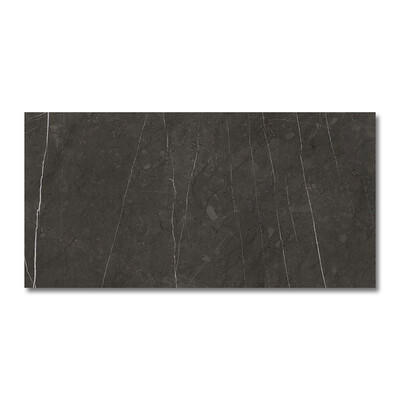
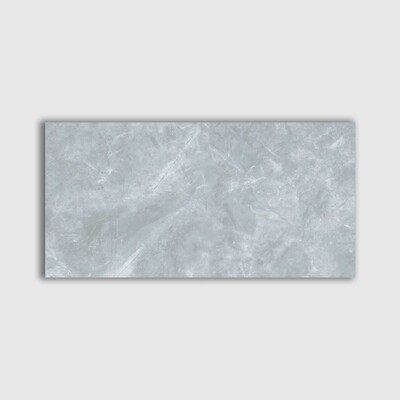
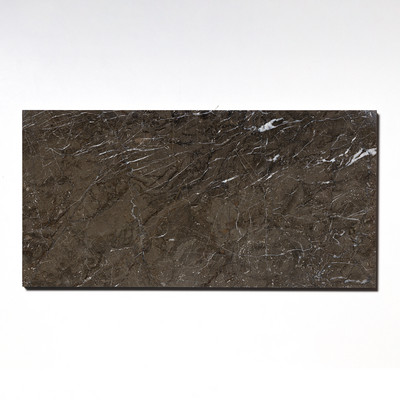
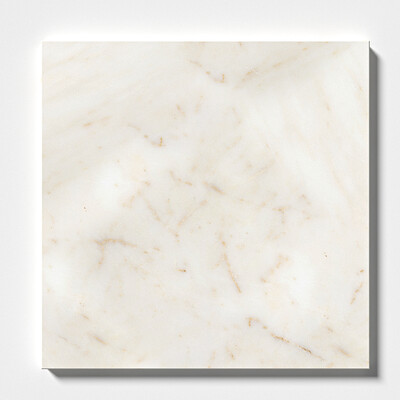
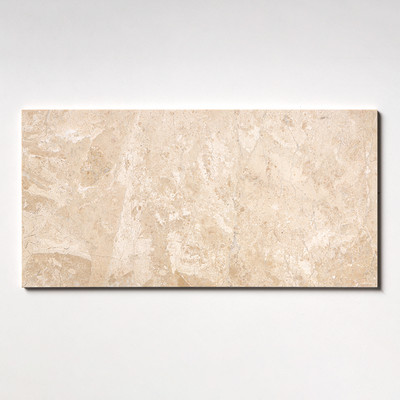
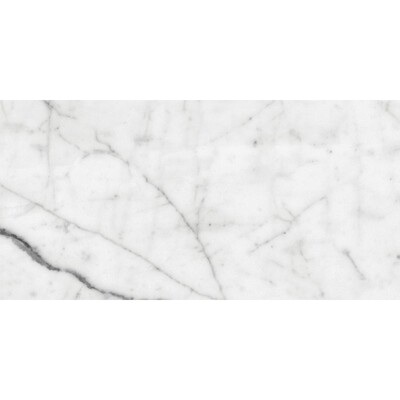
Natural marble brings genuine visual variation and long-term value to your property, especially for your investments. Marble kitchen floor tiles work particularly well in lower traffic zones such as kitchen islands, dining rooms, and open plan layouts where aesthetics take priority.
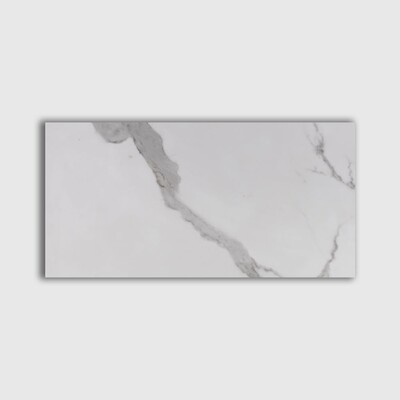
Advantages: Visually distinctive, increases home resale value. Available in honed and textured finishes that significantly reduce slip risk compared to polished marble floors. Stone Tile Depot carries Carrara Marble, Bianco Dolomiti, Calacatta, and exotic veining options starting from $8/sq ft, considerably below specialty retailers.
Disadvantages: Sometimes our clients don't know that marble is a natural stone, and it has a porous surface. Porous surface requires sealing before grouting and annual resealing in high use areas. The primary risk for marble tiles is acid. Coffee, lemon juice, wine, and vinegar (anything below pH 4) will harm even a honed marble surface on contact if left to sit. We recommend using honed or textured finish on marble kitchen floor tiles, as polished marble floors are slippery when wet and show scratches over time.
Best for: Lower traffic kitchen floors, kitchen islands, and luxury kitchen designs. To maintain your safety, please choose a honed or textured marble finish to avoid getting slippery.
Even though it's asked too much on Reddit, and also in our showrooms, as well. Can you use natural stone flooring in the kitchen? The answer is yes, you can use stone flooring in the kitchen. Stone kitchen floor tiles beyond marble, particularly limestone and travertine, are underrepresented in most kitchen floor guides despite being aesthetic and practical options. Both materials are mostly used in farmhouse, Mediterranean, and transitional kitchen designs.
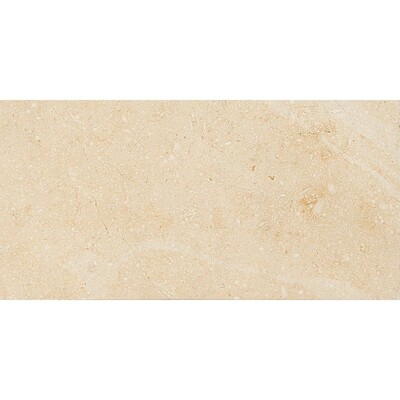
Limestone advantages: Consistent, matte surface with natural slip resistance. Available in honed and tumbled finishes.
Limestone disadvantages: Like marble, limestone tile is acid sensitive. Requires sealing and periodic maintenance in high use kitchen environments.
Travertine advantages: Warm, earthy tones. Tumbled finishes of travertine tile provide natural texture and grip underfoot. The color palette makes you catch the trends, like warm neutral interior design.
Travertine disadvantages: Porous and requires filling and sealing before use. The natural pitting in unfilled travertine traps grease and debris in the kitchen; always specify filled and honed for kitchen floor applications.
One of the most searched Mediterranean kitchen floor tile looks, and one of the most misunderstood materials in terms of maintenance expectations. Terracotta tiles are among the most porous tile materials available.
Advantages: Warm, handmade aesthetic that works in farmhouse, Mediterranean, and eclectic kitchen designs.
Disadvantages: Unglazed terracotta requires sealing before installation and regular resealing to prevent grease and stain absorption. In high use kitchen environments, maintenance frequency is higher than for any other material on this list. Glazed terracotta resolves the porosity issue but loses the raw, matte character that makes it visually appealing. But you need to be careful, the glazed surface of a glazed terracotta tile can get slippery when wet.
Best for: Lower traffic kitchen floors in dry climates. Sealing is a must before and after installation.
We've recently used those tiles in our projects, and our clients loved them! Wood look kitchen floor tiles are the fastest growing segment in kitchen flooring, and for good reason. If you want to get the warmth of hardwood with the moisture resistance and durability of porcelain. Unlike real wood flooring, porcelain wood look tiles will not warp, swell, or scratch under kitchen conditions.
Available in plank formats (typically 6×24", 8×48") that replicate hardwood board widths. Works especially well for kitchen floor tiles for white cabinets, but they're used with terracotta colored kitchen cabinets to keep the new warm color palette trend in our latest projects.
| Format | Best Use | Visual Effect |
|---|---|---|
| 12×12" | Small kitchens, traditional designs | Balanced, classic |
| 12×24" | Most residential kitchens | Versatile, makes rooms feel larger |
| 18×18", 24×24" | Medium to large kitchens | Fewer grout lines, cleaner look |
| 24×48", 32×32" | Open-plan, modern kitchens | Seamless, contemporary |
| Mosaic (mesh-backed) | Floor borders, accents | Texture and detail |
| Plank (6×24", 8×48") | Wood look applications | Replicates hardwood layout |
Black and white kitchen floor tiles consistently rank among the most searched kitchen floor tile patterns, particularly checkerboard tile layouts in both classic square and diagonal orientations. We can share a few important details that we've experienced currently:
Glossy black tiles show every watermark and footprint in a kitchen environment. For kitchen floor tiles black and white applications, matte or honed finishes on the darker tile significantly reduce visible maintenance. Porcelain is the recommended material for this pattern; consistent color through the body means chips are less visible than on ceramic tiles.
The other most asked question by our homeowners is: Can you use peel and stick tiles on a kitchen floor? Kitchen floor tiles peel and stick options are frequently searched as a low cost, low effort alternative. However, you need to know a few details about those vinyl tiles.
Adhesive backed vinyl tiles are not rated for sustained heat exposure. Ovens, dishwashers, and underfloor heating systems create temperature conditions that degrade the adhesive over time, edges lift, tiles shift, and moisture gets underneath. The kitchen is the place where heat and cleaning products are constant, peel and stick tiles have a significantly shorter service life than any grouted tile option. So, you can explore our clearance tiles instead of peel and stick options and finish your DIY project still with a low budget!
Stone Tile Depot ships kitchen floor tiles across the United States, with free shipping on orders over $500 and 2–5 business day handling time. Samples are available at 50% off! Contact our team for material specifications and bulk pricing. At Stone Tile Depot, we're always happy to help you to achieve your desired kitchen floor tile ideas!